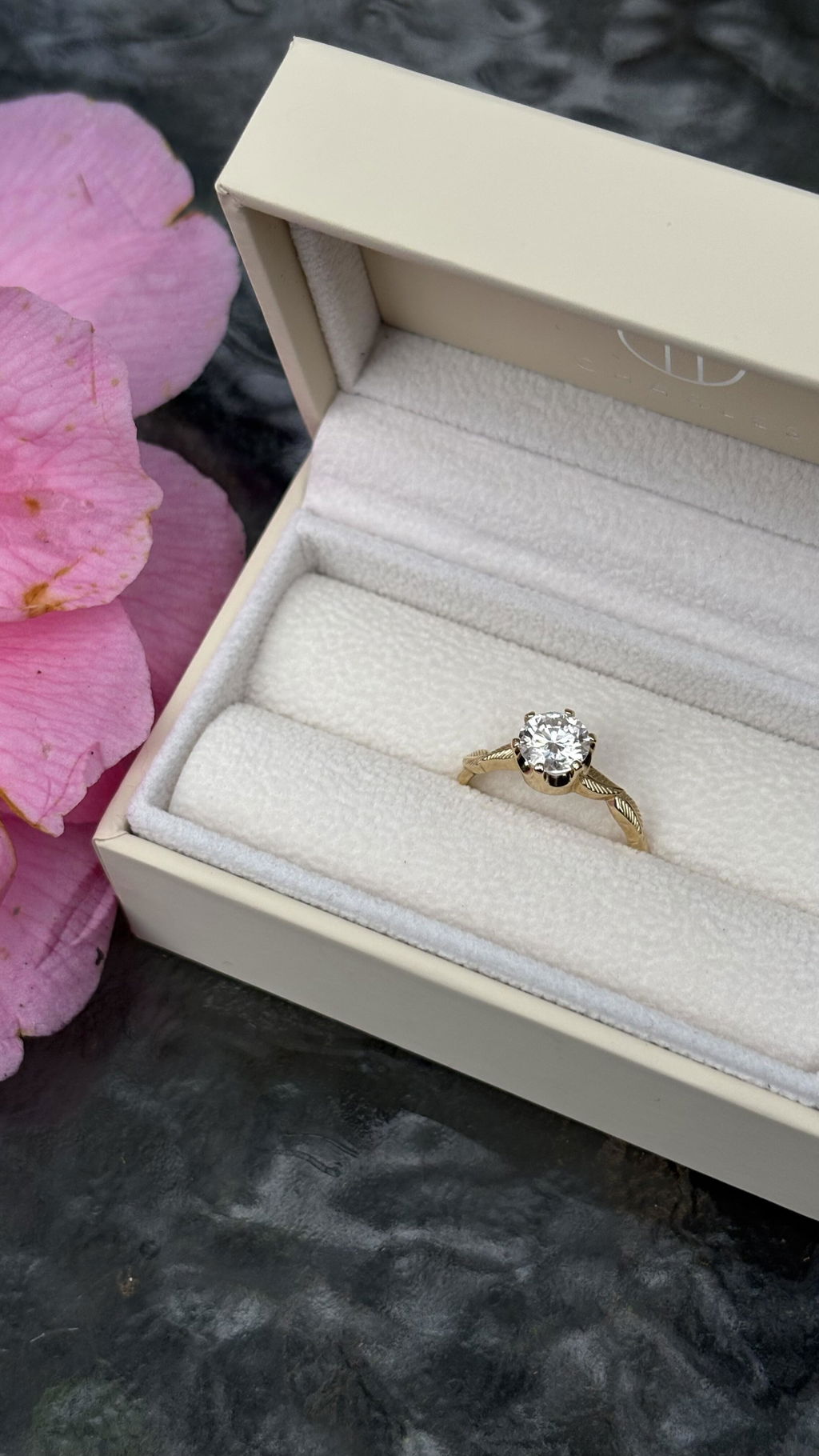


Gemstone Clarity Grades Explained
When you are buying gemstones, clarity is one of the most important aspects to consider. From the dazzling brilliance of a diamond to the alluring blue hues of a sapphire, the clarity of a gemstone can greatly impact its value and beauty.
But with so many different clarity grades to navigate, it can be overwhelming to know what to look for. In this article, you will learn about the different clarity grades, how they affect the value of a gemstone, and what to consider when buying one.
Key Takeaways
- Clarity: the absence or presence of inclusions and blemishes in a gemstone.
- Two systems: diamonds use the FL to I3 scale, while coloured stones are judged by type.
- Value: higher clarity usually means a higher price, but not every inclusion matters.
- Treatments: laser drilling, fracture filling and surface drilling can change clarity.
- At home: a loupe helps, but a gemologist gives the final word.
What is Gemstone Clarity?
Gemstone clarity refers to the absence or presence of internal and external flaws in a gemstone. These flaws, also called inclusions and blemishes, can affect the gemstone's visual appearance, durability, and value.
To determine a gemstone's clarity grade, gemologists take into account:
- Type: what kind of inclusion or blemish it is.
- Size: how large the inclusions are.
- Position: where they sit in the stone.
- Number: how many there are.
- Transparency and lustre: how the stone passes and reflects light.
Gemstones with higher clarity grades have fewer inclusions and blemishes, thus making them more desirable and valuable. Gemstones with lower clarity grades have more visible inclusions, which can significantly decrease their worth and therefore associated cost.

The Different Clarity Grades
Gemstone clarity grades range from Flawless (FL) to Included (I3), with a number of categories in between. The Gemological Institute of America (GIA) and other reputable gemological laboratories grade diamonds on a standardised scale that ranges from Flawless (FL) to Included (I3). Each grade is further subdivided into categories that give a more specific description of clarity.
| Grade | What it means for a diamond |
|---|---|
| Flawless (FL) | Free from inclusions and blemishes when viewed under 10x magnification |
| Internally Flawless (IF) | Minor surface blemishes but no inclusions |
| VVS1 and VVS2 | Very, Very Slightly Included. Inclusions are microscopic and hardly visible, even under 10x |
| VS1 and VS2 | Very Slightly Included. Inclusions are minor and difficult to see with the naked eye |
| SI1 and SI2 | Slightly Included. SI1 inclusions show under 10x, and SI2 inclusions may be visible to the naked eye |
| I1, I2 and I3 | Included. Inclusions are visible, and in I3 they are large enough to affect durability, transparency and beauty |
Understanding the different clarity grades can help buyers make informed decisions when purchasing gemstones. While lower-grade diamonds may be more affordable, they have lower resale value and may not be as brilliant as higher-grade diamonds.
Clarity in Coloured Gemstones
The FL to I3 scale is the diamond scale. Coloured gemstones such as sapphire are graded differently, because some stones are almost always included and others are usually clean. The GIA groups them into three types and reads the grade against the type.
| Type | What to expect | Example |
|---|---|---|
| Type I | Usually eye clean | Aquamarine |
| Type II | Usually included | Sapphire and ruby |
| Type III | Almost always included | Emerald |
This means an included sapphire is normal, and it should not be judged against a diamond. For more on blue stones, read our sapphire colour guide.

How Clarity Affects Value
When it comes to purchasing gemstones, clarity plays a significant role in determining their value. Gemstones with higher clarity grades are not only more visually appealing but also more durable and valuable in the long run. The inclusions in lower-grade gemstones may affect their transparency and overall beauty, thereby diminishing their value. Additionally, since lower-grade gemstones may not be as brilliant as higher-grade ones, they tend to have lower resale value.
It is important for buyers to consider the clarity grade of a gemstone before making a purchase. A gemstone with a higher clarity grade may come with a higher price tag, but it is a worthwhile investment. In the next section, we will discuss what buyers should consider when evaluating the clarity of a gemstone, so they can make an informed decision and choose the best gemstone for their needs.,
What to Consider When Buying Gemstones
When it comes to purchasing gemstones, it can be overwhelming to know where to start. While clarity is an important factor in determining a gemstone's value, there are other things to consider as well. Firstly, it's essential to decide what kind of gemstone you're looking for. Are you after a particular colour, cut or shape? Once you know what you're looking for, you can then start to evaluate the clarity grade of the gemstone.
One thing to bear in mind when assessing gemstone clarity is that nature sometimes produces inclusions in the stone, which can affect its appearance. However, not all inclusions are created equal, and some can be more detrimental to the stone's value than others. It's also worth being aware of common treatments used to enhance or modify the clarity of gemstones. Understanding these techniques can help you determine the authenticity and long-term value of a gemstone.
By taking the time to carefully evaluate the clarity grade and any treatments used on the gemstone, you can make a more informed decision about which stone to purchase. In the next section, we will explore some of the most common clarity enhancement techniques, so you can have a better understanding of what to look out for when buying a gemstone.
How Clarity Affects Value
When you are purchasing gemstones, clarity plays a significant role in determining their value.
- Appeal: gemstones with higher clarity grades are more visually appealing.
- Beauty: inclusions in lower-grade gemstones may affect transparency and overall beauty.
- Resale: lower-grade gemstones may not be as brilliant, so they tend to have lower resale value.
It is important for buyers to consider the clarity grade of a gemstone before making a purchase. A gemstone with a higher clarity grade may come with a higher price tag, so weigh it against the colour, cut and budget you have in mind.
What to Consider When Buying Gemstones
While clarity is an important factor in determining a gemstone's value, there are other things to consider as well. These steps make it easier to start.
- Decide on the stone: are you after a particular colour, cut or shape?
- Check the clarity grade: once you know what you're looking for, evaluate the clarity of the gemstone.
- Know what is normal: nature sometimes produces inclusions, and some are more detrimental to the stone's value than others.
- Ask about treatments: it's worth being aware of common treatments used to enhance or modify the clarity of gemstones.
Understanding these points can help you judge the authenticity and long-term value of a gemstone. If you are choosing a blue stone, see our guide to telling if a sapphire is real.

Common Clarity Enhancement Techniques
Inclusions are a natural occurrence that can affect a stone's appearance, and not all inclusions are the same. In addition to these innate inclusions, there are also treatments used to enhance or modify clarity. Some of the most common techniques are:
- Laser drilling: using a laser to create a small tunnel in the gemstone to reach an inclusion and then removing it.
- Fracture filling: injecting a glass-like substance into the fractures of the stone to fill them in and improve clarity.
- Surface drilling: removing surface-reaching inclusions by drilling a small hole into the gemstone and then filling it with a substance to mask its appearance.
Having a general understanding of these treatments can help you evaluate the authenticity and long-term value of a gemstone. Always ask the seller whether a stone has been treated.
How to Evaluate Gemstones at Home
While professional gemologists have the necessary tools and expertise to accurately assess a stone, there are a few things you can do at home to get a general idea of a gemstone's quality.
- Colour: depending on the gemstone, some colours are more valuable than others. A deep, vivid blue sapphire is generally considered more valuable than a lighter, paler shade.
- Surface: look for visible scratches or chips. Minor surface blemishes are common, but major damage can significantly reduce a stone's value.
- Clarity: use a magnifying glass or loupe to look for visible inclusions or blemishes. Some inclusions are common and may not affect the stone's overall beauty.
- Cut: if you're evaluating a diamond, a well-cut stone will reflect light and sparkle, while a poorly cut diamond may appear dull or lifeless.

These factors can help you get a general idea of a stone's quality and value. By knowing what to look for, you can make a more informed decision when purchasing gemstones.
Frequently Asked Questions
What is gemstone clarity?
Gemstone clarity refers to the absence or presence of internal and external flaws in a gemstone, called inclusions and blemishes. Fewer flaws mean a higher clarity grade, which usually makes a stone more desirable and valuable. Clarity is one of several factors, alongside colour and cut.
What is the best clarity grade?
For diamonds, Flawless (FL) is the top rating, and it means the stone is free from inclusions and blemishes under 10x magnification. The scale then runs through IF, VVS, VS and SI down to Included (I3). Coloured stones are graded by type instead.
Are inclusions in a sapphire bad?
Not always. Sapphire is a Type II coloured stone, which means it is usually included, so some inclusions are normal. Large or damaging inclusions can still reduce value, so look closely at the stone and ask us if you have questions about a particular one.
Are clarity treatments safe to buy?
Laser drilling, fracture filling and surface drilling are common clarity enhancement techniques. A treated stone can still be beautiful, but a treatment can affect its long-term value and how you care for it. Always ask the seller whether a gemstone has been treated before you buy.
Can I check clarity at home?
You can get a general idea with a magnifying glass or loupe, looking for visible inclusions or blemishes. Professional gemologists have the tools and expertise to assess a stone accurately, so use home checks as a first look and not a final grade.
Find Your Gemstone Ring
Ready to see beautiful stones in finished rings? Browse our sapphire rings and alexandrite rings, or ask about a custom ring made just for you. Every order comes with free express shipping.
Not sure which stone suits you? Call us on +61 8 6323 8494 or email info@vinnyandcharles.com and we will help you choose.